As an Amazon Associate, we earn from qualifying purchases. Some links on this site are affiliate links at no extra cost to you. Our recommendations are based on thorough research and editorial judgment.


Is a Nail Drill Necessary for Manicures? Pros and Cons Explained

A nail drill isn’t necessary for basic manicures on healthy natural nails. While professionals benefit from time savings (15-30 minutes per set) when working with acrylics or gels at speeds up to 35,000 RPM, these tools pose risks including nail thinning and respiratory hazards from dust particles. Manual filing offers better control and reduces damage potential, particularly for thin or brittle nails. Those performing advanced nail services may justify the investment, while beginners should master traditional techniques first. Deeper examination reveals important safety and technique considerations.
Key Takeaways
- Nail drills aren’t necessary for basic natural nail manicures but significantly reduce time for acrylic or gel services by 15-30 minutes.
- Professional drills with 7,000-35,000 RPM settings excel at removing gel polish and acrylics more efficiently than manual filing.
- Improper drill technique risks thinning natural nails and generates potentially harmful dust particles containing acrylates.
- Manual filing offers better control and reduces damage risk, making it preferable for natural, thin, or brittle nails.
- Beginners should prioritize learning proper hand filing before investing in a drill that requires specialized training.
What Is a Nail Drill and How Does It Work?
You may be interested
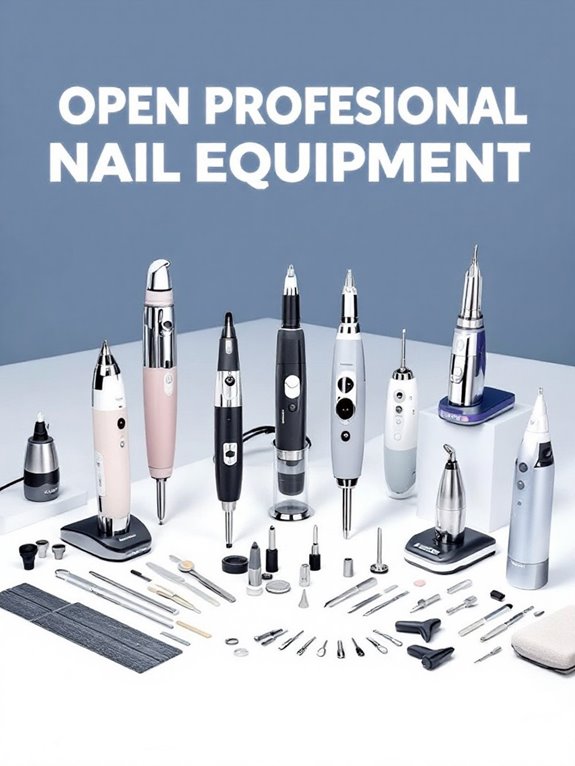
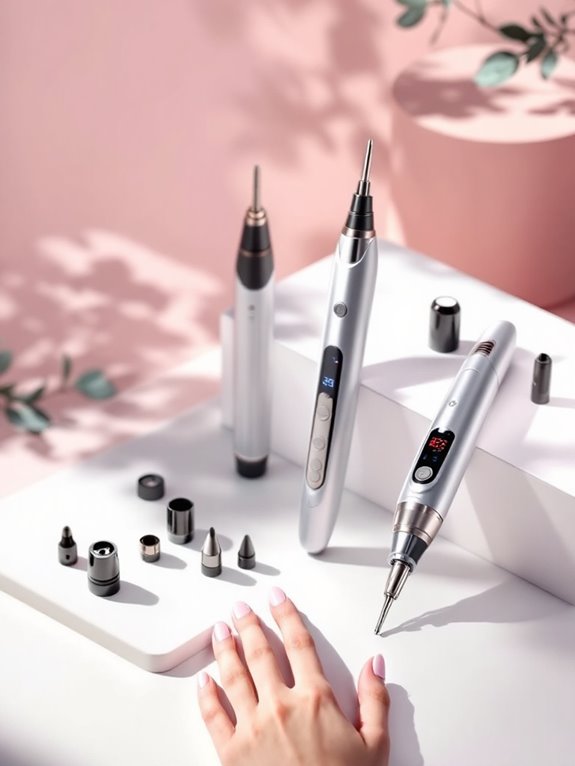
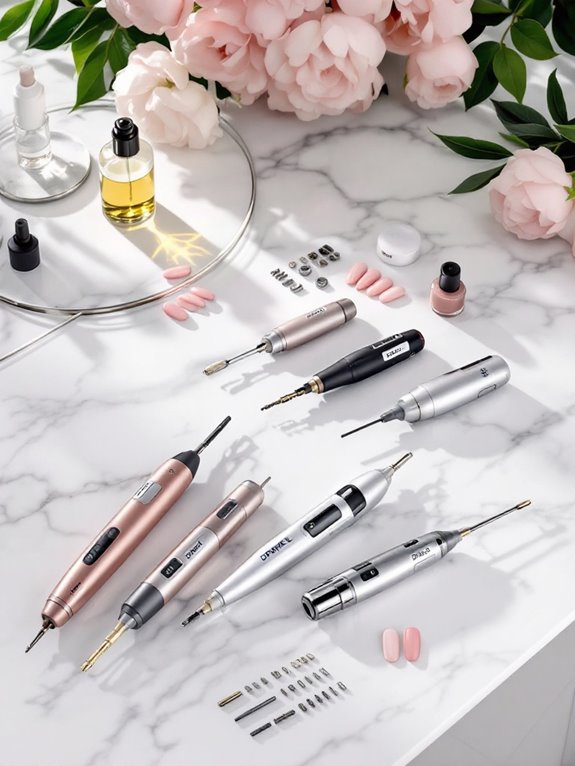
A nail drill, an electric tool essential to modern nail care, functions as a specialized rotating device designed specifically for manicure and pedicure procedures. This electric nail drill operates by utilizing interchangeable drill bits that rotate at variable speeds, typically ranging from 7,000 to 35,000 RPM, allowing technicians to precisely shape, file, and smooth both natural and artificial nails.
The functionality of a nail drill depends on its motor, which generates torque (measured in N.cm) to provide sufficient rotational force for efficient material removal. When using a nail drill, operators select appropriate bits based on the task—carbide or diamond-coated attachments in various shapes facilitate different functions from bulk reduction to detailed cuticle work. Adjustable speed settings guarantee safe operation, requiring practitioners to maintain light pressure and continuous motion to prevent nail damage.
Furthermore, many nail drills feature a 6000mAh battery that offers 10-14 hours of cordless use after a 2.5-hour charge, enhancing portability for both professional and at-home applications.
The Time-Saving Benefits of Using Nail Drills
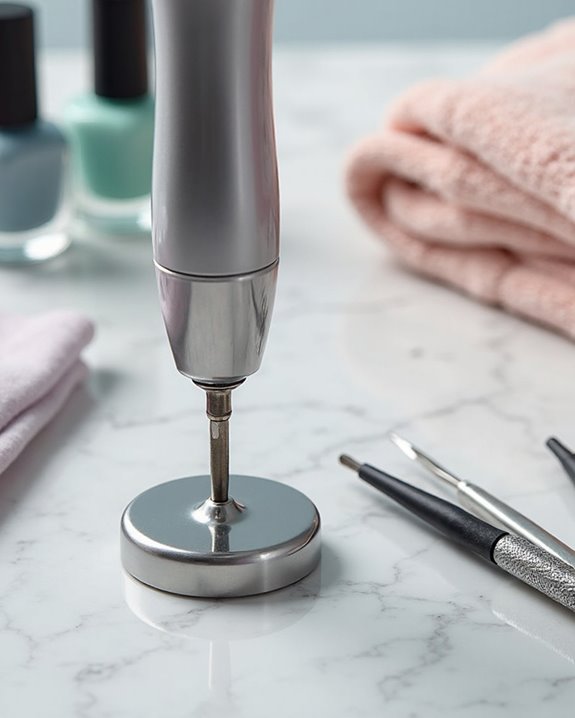
When considering efficiency in nail care, electric nail drills stand out as significant time-savers compared to traditional manual filing methods. A quality nail drill machine can reduce service time by 15-30 minutes per sculptured nail set, streamlining the entire manicure process through faster shaping and filing capabilities.
Electric nail drills particularly excel at labor-intensive tasks, such as removing gel polish or acrylics, which would otherwise require extensive manual effort. With speeds reaching up to 35,000 RPM, these devices cut through materials quickly and efficiently. Using an electric file also benefits technicians by minimizing repetitive hand motions during fills and regular maintenance procedures, making nail services more time-efficient overall. This advantage extends to clients with conditions like arthritis, who benefit from the shorter appointment times that drills enable.
For optimal performance, models like the MelodySusie SC320H offer up to 30,000 RPM, enhancing gel removal efficiency with minimal heat and vibration.
Recommended Products

PC120I Multifunctional USB Nail Drill Kit: Comes with 20,000RPM powerful rotary motor and 3/32” mental nail drill bits, this electric nail file can be used for all-around shaping, buffing, grinding, polishing, removing for acrylic nails, poly gel nails, artificial extension nails, thick nails, builder gel, dip powder, fake nails, natural nails, and cuticle dead skin.

Multifunctional Nail Drill Kit: With adjustable various speeds and 6 different nail drill bits, COSLUS C40 electric nail file can polish or remove acrylic, gel, and dip powder nails, as well as tackle thick nails and cuticle dead skin

1.5h Charge, 7h Use: TUOBEO electric nail drill kit is designed for ultimate convenience, allowing you to enjoy salon-quality manicures and pedicures anytime, anywhere. With its long-lasting 650 mAh battery life offers an impressive 7 hours of continuous use after a 1.5-hour charge, ensuring you have ample time for your nail care routine. Its lightweight and compact design ensures it fits easily into your purse or carry-on bag, so you never have to compromise on nail care
When Nail Drills Shine: Advanced Nail Services
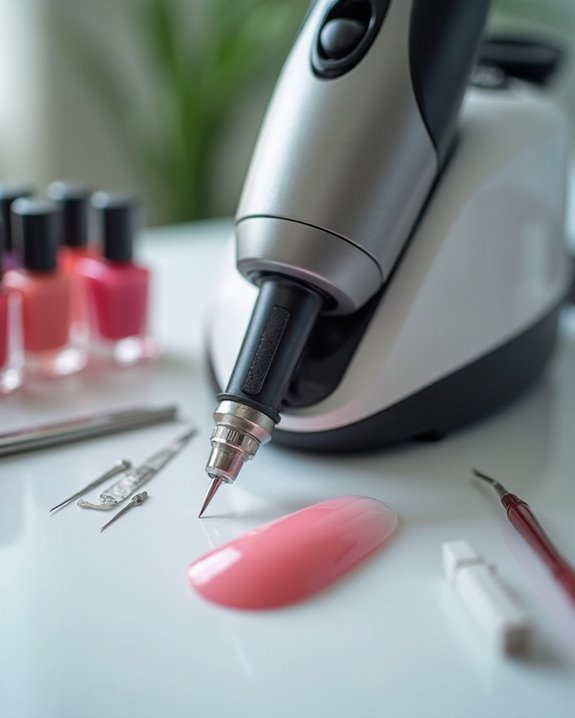
Electric nail drills truly revolutionize professional manicure services by enabling technicians to perform advanced nail techniques with remarkable precision and efficiency. For acrylic and gel enhancements, the right nail drill can save 15-30 minutes per set while delivering professional-quality results. Nail techs particularly benefit when executing intricate nail art, such as French tips, using specialized bits for safe and effective application.
MelodySusies nail drill products, offering up to 35,000 RPM and 20 N.cm torque, excel in hard gel removal and precision cuticle work. Football bits prove invaluable for cleaning under long nails and reducing white lines with salon-level accuracy. For clients with dexterity limitations like arthritis, drills streamline maintenance procedures, making advanced services more accessible while maintaining impeccable standards that manual filing cannot efficiently achieve.
For even greater versatility, the SC320H model provides up to 30,000 RPM and a 10-14 hour battery life for seamless, extended professional sessions.
Recommended Products

FROM MELODYSUSIE RECHARGEABLE CLIP-ON NAIL DRILL COLLECTION: The SC300F Rechargeable 30,000 RPM Nail Drill features a convenient clip-on design for easy waist attachment, which makes it perfect for nail beginners, students, and enthusiasts on the move. Its handpiece reduces hand fatigue during long sessions, while large ventilation holes ensure efficient heat dissipation for consistent performance. The SC300F nail drill is available in pink, purple, and white.

✔️【45,000 RPM Professional Nail Drill】Achieve salon-quality results with this upgraded nail drill, powered by a high-performance 45,000 RPM aluminum alloy motor. The advanced ventilation system and precision bearing design ensure stable operation while reducing heat, vibration, and noise (<40dB). The specially designed glittery accents elevate its aesthetic appeal with an eye-catching sparkle. Perfect for polishing, shaping, and removing gel nails at home or in salons
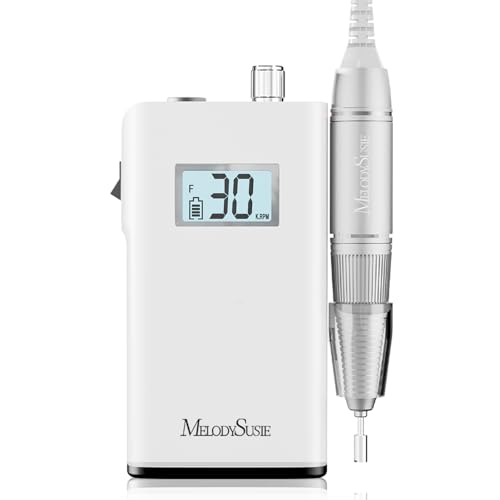
FROM MELODYSUSIE RECHARGEABLE CLIP-ON NAIL DRILL COLLECTION: The Scamander(SC320H) Rechargeable 30,000 RPM Nail Drill comes with a practical clip-on design for easy waist attachment, making it a great choice for nail enthusiasts and students for on-the-go practice. Its pen-shaped handpiece is comfortable to hold and helps reduce fatigue during longer sessions. Large ventilation holes improve heat dissipation for steady performance
Potential Risks and Drawbacks of Electric Filing
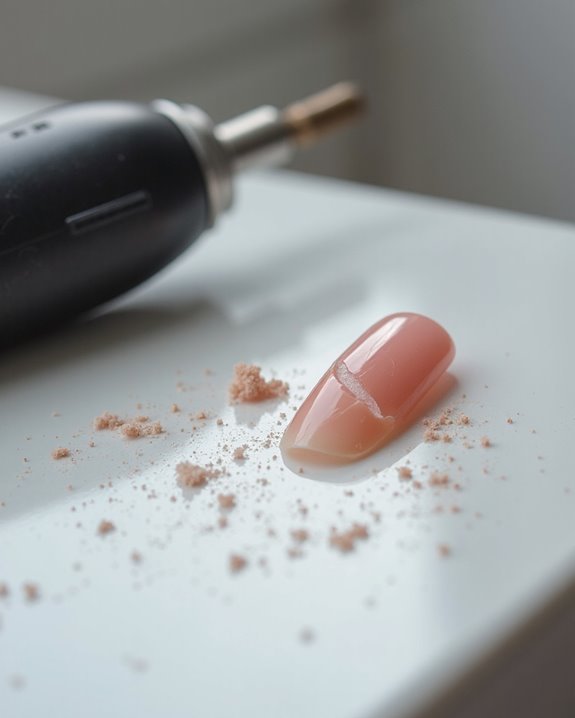
Despite their efficiency benefits, nail drills introduce several concerning health and safety risks that require careful consideration before implementation. When used improperly, drills on natural nails can cause damage, leading to thinning and peeling of the nail plate. Applying too much pressure or using high-speed settings weakens the nail structure, potentially resulting in long-term damage to your nails and sensitive nail bed tissues.
The fine dust particles generated during electric filing contain harmful acrylates, creating respiratory hazards for both technicians and clients. Unfortunately, few professionals consistently wear a mask when using electric equipment, increasing exposure to these hazardous particles. Additionally, improper bit selection or technique can cause pain, burns, and injuries, especially when coarse or metal bits are used without proper training or control.
Manual Filing: A Gentler Alternative
Manual filing represents the traditional approach to nail care that many professional manicurists still prefer for its safety and control. This method allows technicians to use a light touch while shaping nails to their desired shape without causing excessive thinning of the natural nail plate. Nail files with higher grit numbers (180-240) help prevent damage to delicate nails and should always be used on thin or brittle nail beds.
While more time-consuming than electric alternatives, hand filing offers precise control and minimizes heat buildup that can cause discomfort or damage. Professionals definitely use manual techniques for clients with compromised nail integrity, as the gentle, controlled strokes maintain nail health while still achieving professional results. This traditional approach remains valuable in modern nail care, particularly when nail protection takes priority over speed.
Cost Comparison: Nail Drills vs. Traditional Tools
Many nail care enthusiasts face an important financial decision when choosing between electric nail drills and traditional manual tools for their manicure routines. When examining the need for an Electric Nail drill versus manual files, initial costs often favor traditional tools, though this doesn’t tell the complete story. Budget-friendly options like the MelodySusie Portable make using nail drills at home more accessible than ever, eliminating the hard work associated with manual filing. While professional-grade devices like the Kiara Sky Beyond Pro require higher investment, they keep the drill bits properly sanitized when used to clean under nails. Traditional files, while inexpensive individually, must be replaced regularly or professionally cleaned to maintain hygiene, potentially increasing long-term costs despite their lower entry price.
Recommended Products
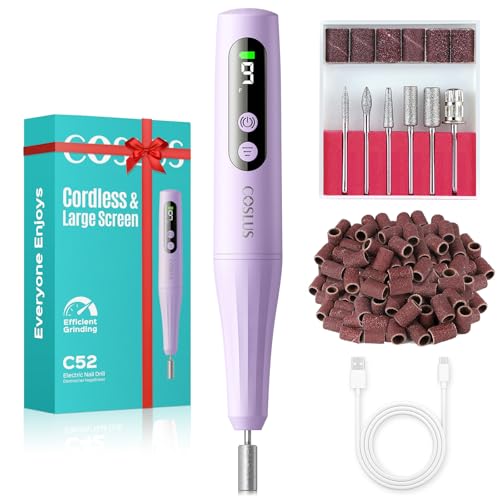
Trusted Quality, Born from Dedicated R&D: After three years of technical R&D by a team of experienced nail technicians, this cordless nail drill integrates 9 high-precision speed settings and an LED smart display. While ensuring safe and comfortable operation, it significantly improves work efficiency and comprehensively meets various nail care needs, making it an all-in-one device that combines professional performance with convenient experience.

【From MelodySusie PocketNail Family】The PC100G is the most compact corded nail drill designed for everyday nail care and manicures. Featuring adjustable stepless speed control and forward/reverse rotation, it is easy to control and ideal for self-manicures. Equipped with a 20,000 RPM low-torque motor, it effectively handles daily cuticle removal and light nail work while helping reduce the risk of accidental contact with the nail drill bit, making it especially suitable for beginners.
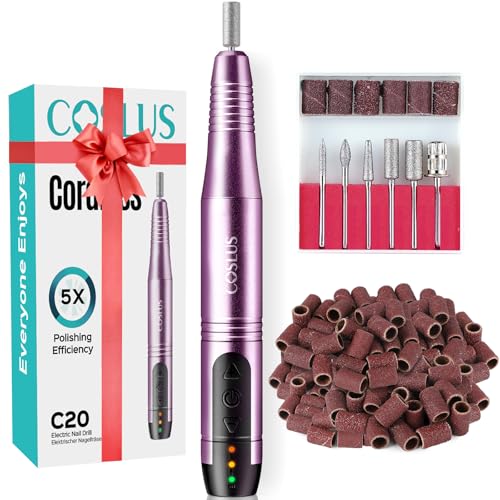
Multifunctional for Manicure & Pedicure: With adjustable speeds and forward/reverse direction options, COSLUS C20 nail drill machine comes with various professional grinder bits, you can customize your various manicure and pedicure routine to your liking
Learning Curve: Mastering Proper Nail Drill Technique
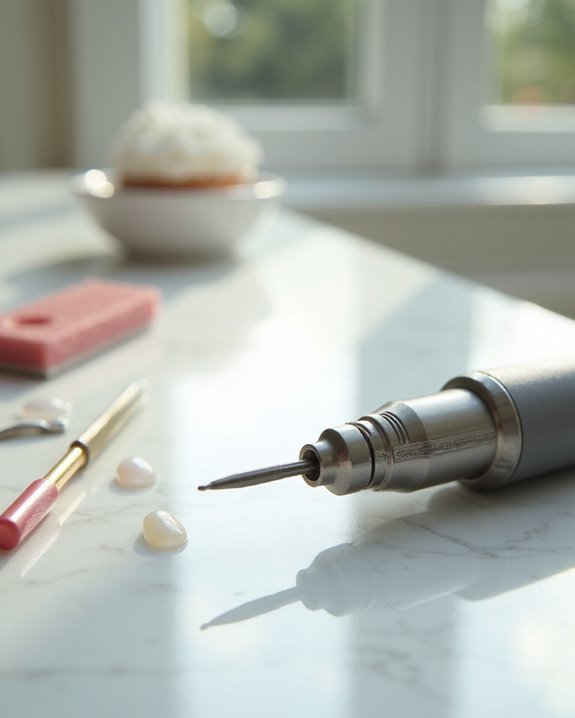
While cost considerations factor greatly in the decision-making process, the technical skill required to operate a nail drill represents another important aspect to evaluate. Mastering the proper use requires dedicated training to control speed and pressure, as opponents claim improper technique can damage the Ideal Nail bed. Beginners should start at lower RPM settings (7,000-15,000) and avoid lingering in one spot, keeping the bit moving in gentle, circular motions to clean underneath without overheating.
Technicians Need to Know how to select appropriate bits for specific tasks and use a dust collection system to minimize inhalation risks. Many professionals recommend manufacturer training before operation, with some salons requiring proof of proper training—especially when used alongside UV Light systems. The learning investment ultimately guarantees safe, effective results.
Recommended Products

FROM MELODYSUSIE RECHARGEABLE CLIP-ON NAIL DRILL COLLECTION: The SC300F Rechargeable 30,000 RPM Nail Drill features a convenient clip-on design for easy waist attachment, which makes it perfect for nail beginners, students, and enthusiasts on the move. Its handpiece reduces hand fatigue during long sessions, while large ventilation holes ensure efficient heat dissipation for consistent performance. The SC300F nail drill is available in pink, purple, and white.

【All-in-One Starter Nail Kit with Professional Acrylic Powder】- The complete acrylic nail set includes 75ml acrylic liquid and 3 colors of 15g acrylic powder with a smooth, silk-like texture that offers strong adhesion and long-lasting wear without yellowing. The acrylic powder allows you to create DIY nail extensions, carve detailed 3D patterns, and build a strong, resilient nail surface that is more durable than regular manicures

Premium Glitter Powder & Cosmetic Bag: The nail kit includes 24 colors of high-quality glitter powder and nail sequins, with fine particles and rich colors, suitable for various nail art styles. It also features a double-layer transparent makeup bag, which is convenient for storing and organizing nail tools and accessories, making your nail art creation more convenient. The makeup case organizer is made of laser powder material, which is stylish, beautiful, and easy to carry
Who Should Invest in a Nail Drill and Who Can Skip It
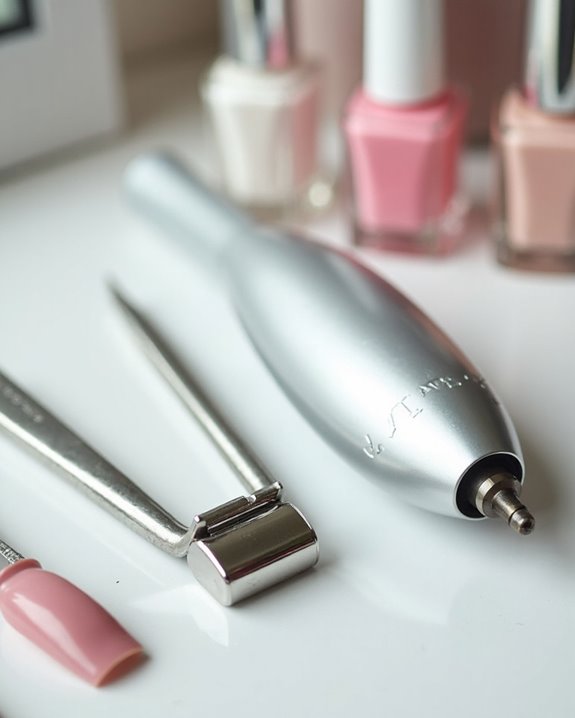
When deciding whether to purchase a nail drill, individuals must consider their specific nail care needs, professional status, and technical requirements. Professionals working with acrylics or gel nails benefit greatly from nail drills, saving 15-30 minutes per sculptured set while achieving precise shaping and efficient product removal.
DIY enthusiasts seeking salon-quality results should invest in reliable models like the MelodySusie, which offers excellent precision for buffing and smoothing enhanced nails. Clients with arthritis may also benefit from the reduced manual effort required compared to traditional methods.
Conversely, those with natural, thin, or brittle nails should avoid nail drills and stick with hand filing, which provides better control and reduces damage risks. Beginners performing basic manicures on healthy natural nails can also skip this investment, as traditional filing techniques offer sufficient results.
Recommended Products

【92Pcs Complete Manicure Kit】 AzureBeauty dip nails powder starter kit includes 24*0.16 oz gorgeous colors of nail dip powder, 4*0.33 oz dip powder liquid set(base coat/activator/topcoat/brush saver), 1*Portable Electric Nail Drill, 11* drill bits, 10 *table mat, 1*Ceramic Corn Head, 1*type-c charging cable, 30*sanding band, 1*cuticle oil pen, 3*nail sticks, 1*nail file, 1*dust brush, 1*recycling tray, 2*liquid replacement brush, 1*storage bag; and user manual quick start guide
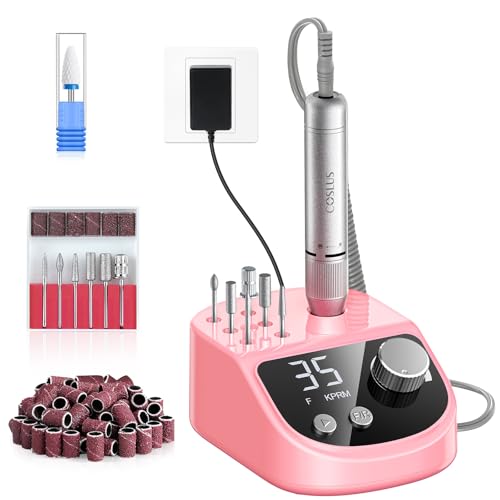
Professional Desktop Nail Drill, Engineered for Structured Nail Work: Developed under COSLUS’s E50 professional nail device engineering standards, this desktop nail drill is built for consistent output, precise control, and repeatable results. From the torque-stable precision motor to the visual stepless speed interface, every core system supports controlled nail prep, shaping, and removal—designed for nail students, advanced home users, and salon professionals who prioritize reliability and accuracy over portability.

Multifunctional for Manicure & Pedicure:Our advanced compact nail drill features a powerful upgraded motor that guarantees smooth operation even at high speeds of up to 25,000 RPM, while maintaining low heat, noise, and vibration. You can easily select the appropriate speed and switch forward/reverse rotation. This tool is essential for beginners, professional nail technicians, and nail enthusiasts alike.
Frequently Asked Questions
Do I Really Need a Nail Drill?
Individuals can perform home manicures effectively with manual tools. While nail drills offer speed benefits, they involve a learning curve. Budget options exist for those interested in trendy gadgets, but additional accessory needs and ease of use vary.
What Are the Cons of Nail Drills?
Nearly 70% of nail technicians report health issues from drill usage. Nail drills present numerous drawbacks: high noise levels, significant cost implications, regular maintenance needs, steep skill barriers, limited portability, storage challenges, rapid battery drain, and extensive cleaning demands.
Do You Need a Drill to Do Gel Nails at Home?
A drill isn’t essential for at-home gel nails. Beginners can rely on manual methods and proper prep techniques. DIY tips suggest focusing on tool selection, lamp curing, and exploring gel alternatives while mastering basic color options first.
Do Drills Damage Nails?
Nail drills can cause drill damage including nail thinning and cuticle harm when improperly used. Infection chances increase with tool overuse. Speed risks and bit effects contribute to damage, but proper prevention strategies minimize these concerns.